




I recall the first time I settled in at a blackjack table at tap here and wondered why the dealer seemed to have such a calm confidence. It was not for the reason the game was rigged against me in some shady way. It was because the casino maintained a quiet mathematical advantage known as the house edge. Every game you engage in online, from the most dazzling slot to the most skilled poker variant, includes this built-in margin. Understanding it does not require a degree in statistics; it simply needs a willingness to examine how the rules influence your long-term results. I want to guide you through what the house edge truly means, how it differs across the vast Wonaco Casino game library, and which small decisions can move the maths in your favor without killing the fun. This is not about assuring guaranteed wins. It is about providing you the most transparent possible lens through which to view every wager you place, so you never feel like the games are mysterious or incomprehensible.
The way the Casino House Edge Really Means
As I talk about the house edge, I am describing the mathematical percentage of each wager the casino is designed to retain over an vast number of plays. It is not a fee taken from your account. If a slot has a four percent house edge, that doesn’t imply you will lose precisely four pounds from a hundred-pound session every time. It signifies that across millions of spins, the game is programmed to return approximately ninety-six percent of all money wagered back to players as a group, with the remaining four percent flowing to the operator. The edge is built in the payout structure. A roulette wheel paying thirty-five to one on a single number when there are thirty-seven pockets represents a house edge because the true odds are thirty-six to one. The gap between true odds and payout odds is where the edge lives. At Wonaco Casino, this mechanism is the same to any regulated venue worldwide. The games do not adjust to your winning streaks or punish your betting patterns. They simply follow pre-set rules, and the edge arises naturally from those rules over time. Recognising this is empowering, because it eliminates superstition and lets you to see every spin and hand as an independent event governed by transparent arithmetic.
Money Movement and the Hidden Costs of Moving Money
When I determine the real expense of using Wonaco Casino, I look beyond the game edge to the payment infrastructure. The game margin impacts wagers submitted, but transaction slowdowns can serve as a additional cost if you are not vigilant. Wonaco Casino supports a range of payment methods like debit cards, e-wallets, and bank transfers. Deposit processing is typically instant or near-instant. Withdrawal times vary by method. E-wallet cashouts often finish within twenty-four hours, while card withdrawals and bank transfers can take three to five business days. These are standard windows in the industry. What I watch for are any fees that might quietly reduce my bankroll. Some payment providers charge transaction charges separate from the casino, and currency conversion fees can impact if you add money to your account in a currency different from your native one. At Wonaco Casino, the cashier section openly displays processing times and any relevant caps before you approve a transaction. I have set a policy to take money out through e-wallet whenever possible, simply because the speed lessens the desire to canel a pending cashout and gamble with the balance. A caneled withdrawal is essentially a one-hundred-percent house edge on funds that had already departed the playing field. The money infrastructure matters just as much as the game rules when you are serious about safeguarding your bankroll.
Slot machines and the Volatility-Edge Relationship
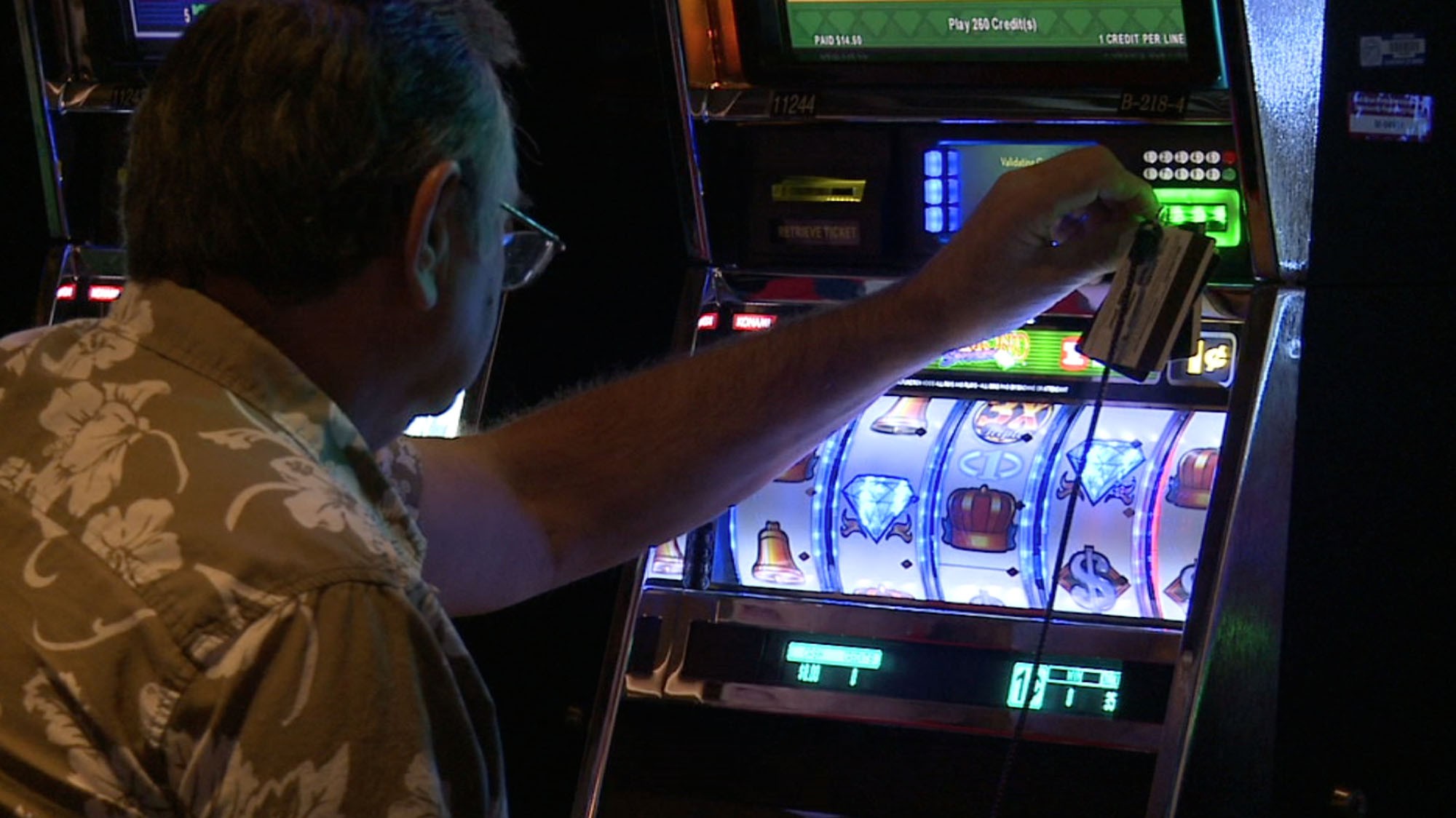
Slot machines lead the Wonaco Casino catalogue, and I believe they are the most misunderstood category when it concerns house edge. The edge here is often shown as return-to-player, or RTP, which is simply one hundred percent minus the house edge. A slot with a ninety-six percent RTP holds a four percent house edge. What confuses the picture is volatility, which governs how that edge expresses itself in the short term. A low-volatility slot might chip away your balance steadily with common small hits, while a high-volatility game can consume twenty consecutive spins and then provide a single payout that puts you back in profit. Both can have identical house edges. At Wonaco Casino, I have experienced classic three-reel slots with simple paylines that stand around the ninety-five to ninety-six percent RTP range, and modern video slots packed with cascading reels, expanding wilds, and bonus-buy features that sometimes push RTPs above ninety-seven percent. The house edge on jackpot slots warrants special attention, because a portion of each wager finances the progressive pool. The base game RTP might be lower than a non-jackpot equivalent, and the theoretical edge becomes more difficult to calculate because the jackpot’s size and probability obscure the calculation. I never treat slots as precision instruments; I treat them as entertainment where grasping the RTP defines my expectations about the price of that entertainment over time.
In what manner Game Rules Straight Influence the Edge at Wonaco Casino
Whenever I look through the Wonaco Casino lobby, I note rule variations because even the tiniest detail can swing the house edge markedly. In blackjack, the dealer standing on soft seventeen versus drawing on soft seventeen alters the edge by roughly two-tenths of a percent in your favour. If you can double down after splitting pairs, or whether blackjack pays three to two rather than six to five, generates further shifts. I have observed European roulette tables with a single zero having a two-point-seven percent edge, while some American-style wheels with a double zero drive that figure to over five percent. In baccarat, the banker bet carries an edge just above one percent, while the tie bet increases it beyond fourteen percent. These are not abstract figures taken from textbooks. They are the direct result of rules you can review before you place a chip. At Wonaco Casino, the game information sections plainly present such rules. I always recommend checking the paytable and rule sheet before committing, because two slot machines placed side by side might look identical yet have different theoretical return-to-player percentages due to subtle configuration differences. The rules are your map to the location of the edge sits, and checking them costs you nothing.
Bonuses, Betting Terms, and the Effective Edge Shift
Every bonus deal I have used at Wonaco Casino includes terms that briefly alter the house edge equation. A one-hundred-percent deposit match bonus adds extra funds into your account, but you cannot withdraw it instantly. Wagering requirements, commonly expressed as a multiple of the bonus amount, dictate how much total action you must generate before the bonus and any associated winnings become withdrawable. If you get a fifty-unit bonus with a thirty-times wagering requirement, you must place fifteen hundred units in bets. During that playthrough period, the house edge operates on a larger volume than your deposit alone would have supported. I treat bonuses as time-limited reductions in my personal cost-per-spin, not as free money. Game weighting is the detail that catches players out. Slots typically contribute one hundred percent toward wagering, while table games often contribute ten or twenty percent, and some games like roulette or baccarat might be excluded entirely. At Wonaco Casino, the promotional terms plainly list these weightings. Playing excluded games with an active bonus invalidates the offer. I constantly read the full terms, check the maximum bet allowed during wagering, and handle the bonus as a way to extend my session rather than a guaranteed profit tool. Bonuses are valuable when paired with the games you already intended to play, but they never erase the edge. They just change the volume of play required for the edge to assert itself.
Live Dealer Dynamics and the Human Element
The live gaming section at Wonaco Casino brings a experiential layer that digital table games miss, but the mathematical framework remains identical. A physical roulette wheel with a single zero still maintains its 2.7 percent house edge regardless https://en.wikipedia.org/wiki/Boston_Marathon of how appealing the croupier. What varies is pace. Live games progress more leisurely than their digital counterparts, so you put fewer plays per hour. Since the casino edge works on total amount of wagers, a less rapid game effectively reduces the level of edge you experience in a set session time. I have found this mental advantage substantial. The deliberate speed encourages attention and restraint. Live blackjack tables employ multiple decks and often reorder far before significant penetration, which eliminates any card counting advantage but keeps the standard basic strategy edge accurately. Live baccarat squeezes, Lightning Roulette multipliers, and game show combinations like Dream Catcher or Crazy Time introduce random bonus multipliers that confuse edge calculations. The base bets in these show-style games often have higher house edges than standard table games, sometimes exceeding five percent. The multipliers are paid for by the underlying game edge itself. I treat live casino games with the identical discipline I would bring to a land-based venue, examining rules, wager types, and payout systems before the initial deal. The live lobby at Wonaco Casino offers these details readily accessible, which I like as a gambler who prizes clarity.
Table Games Section Where Choices Change the Margin
What distinguishes Wonaco Casino’s table games from slots is that your choices directly impact the effective house edge. In blackjack, a player who applies basic strategy faces an edge as low as half a percent in favourable rule sets, while someone making instinctive decisions might drive the house advantage to two percent or higher. Basic strategy is not card counting. It is a publicly available chart indicating you the statistically best move for every hand combination against every dealer upcard. I have seen blackjack tables at Wonaco Casino where the rules allow surrender, which allows you fold a bad hand and get back half your stake, trimming the edge further. In video poker, which offers slot-like presentation but table-game logic, the house edge can switch to a player edge with perfect play on full-pay machines. The catch is that you must spot the paytable. A Jacks or Better machine paying nine coins for a full house and six for a flush—known as nine-six Jacks or Better—holds an edge below half a percent with optimal play, while an eight-five variant more than increases the house advantage. The casino provides multiple video poker variants, and I always check the payout column before I start my first hand. The difference between a casual approach and an informed one can be measured in whole percentage points.
Licensing requirements, Safety, and Why Regulatory Oversight Protects the Edge Being Fair
I pay attention to licensing because it is the only guarantee that the house edge you see advertised aligns with the edge you face. Wonaco Casino works under a established regulatory jurisdiction, which requires mandatory third-party auditing of random number generators and game payout percentages. These audits validate that the RTP figures reported by game developers correspond to actual results over statistically significant sample sizes. Unlicensed operators can tamper with game code, modifying the house edge invisibly. A regulated casino confronts severe penalties for such conduct, including licence revocation. The encryption protocols protecting your financial data and personal information act as a secondary security layer, making sure that the only edge you face is the published mathematical one. At Wonaco Casino, I have reviewed the security credentials listed in the footer, observing SSL encryption and responsible gambling tools that include deposit limits, session reminders, and self-exclusion options. These features do not alter the edge, but they alter your ability to manage exposure to it. A casino that allocates resources in responsible gambling infrastructure indicates that it sees the edge as a long-term business model built on volume and entertainment value rather than on preying on vulnerable players. That distinction matters deeply to me and should be relevant to anyone who plans to play regularly.
Implementing House Edge Knowledge to Your Actual Sessions
All the theory I have presented comes together in the moment you open the Wonaco Casino lobby and choose where to click first. I deem it helpful to commence with a session bankroll figure I am at ease losing fully, split it into smaller bet units, and choose a game whose minimum bet aligns with those units. If I have one hundred units and I sit at a blackjack table with a one-unit minimum and a house edge of half a percent, a hundred hands will conceptually cost me half a unit in edge. In practice, variance will dominate that session. I might end up well ahead or well behind, and that is the entire point. The edge is a long-term average, not a session prediction. When I switch to slots, I select a game with a known RTP shown in the help file, modify my bet size to roughly one two-hundredth of my session bankroll per spin, and accept that the house edge combined with volatility will produce unforeseeable outcomes over a few hundred spins. The knowledge does not guarantee I will win. It ensures I will comprehend why I am winning or losing, which removes the frustration of feeling cheated by forces I cannot see. At Wonaco Casino, every game icon takes to a page where volatility ratings, paytables, and rule summaries are waiting to be read. I use two minutes to read them because two minutes of preparation influences hours of informed play. The house edge never sleeps, but a player who comprehends it never walks in blind, and that cognitive advantage is the most valuable tool any casino site can provide you.